Monday, February 20, 2017

International PC Video Contest

Peace Corps added 13 new photos to the album: "Highlighting Hospitality" Video Challenge Finalists.
February 16
Congratulations to all of the 2017 Peace Corps Week video challenge finalists! Vote for your favorite videos by liking it. Voting is open until February 21, 2017. Share your favorites with friends, family and colleagues and get them to vote too! 
Please "like" Mozambique's!!  Today is the last day.  WATCH: https://youtu.be/yYxaV801yps

Wednesday, February 15, 2017

A lesson to live : Cucumbers and Condoms


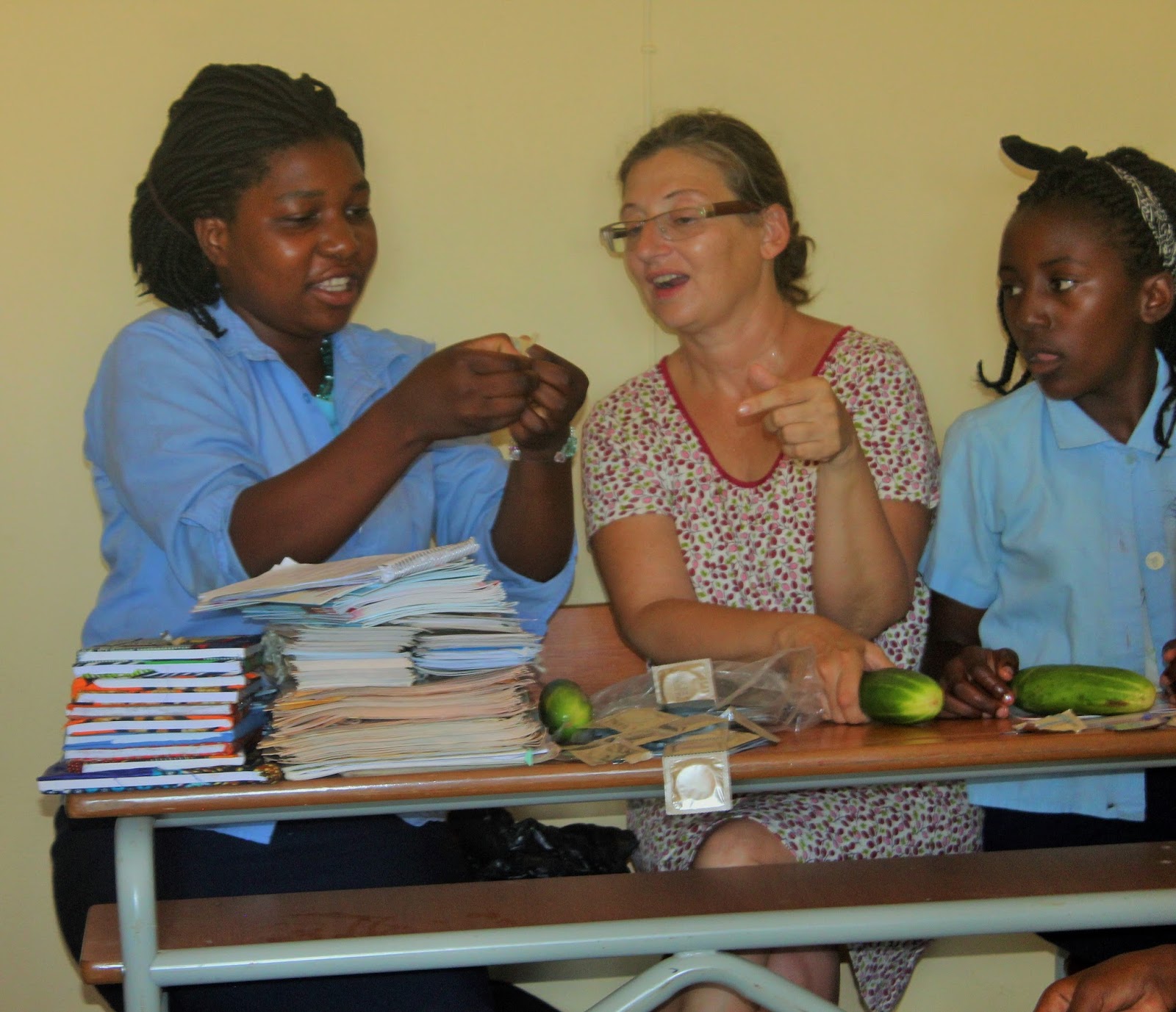
One of my secondary projects is facilitating a group of  adolescent girls on topics of education and health , this is a very popular and rewarding program for many Peace Corps Volunteers and it is similar Michele Obama‘s mission of Let Girls Learn.
We just finished a meeting on prevention of sexually transmitted diseases, especially HIV (The estimates here in my village are higher than the national average of 11.9%).
We started with having the girls practice what to communicate to their boyfriends on the importance of health and preventing illnesses, thus the use of a condom. We had a few giggles, but they understand their rights (gender equity was discussed previously) to insist on the use of male condoms or female condoms. We ended with a demonstration using cucumbers and condoms and then posed for a cherished picture.
These girls will go far.@bloggingabroad


Here is more information on the HIV/AIDS epidemic:

36.7 million people worldwide are currently living with HIV/AIDS1.8 million children worldwide are living with HIV. Most of these children were infected by their HIV-positive mothers during pregnancy, childbirth or breastfeeding.The vast majority of people living with HIV are in low- and middle-income countries, particularly in sub-Saharan Africa

·         According to WHO Exit Disclaimer, an estimated 35 million people have died from AIDS-related illnesses since the start of the epidemic, including 1.1 million in 2015.
·         Despite advances in our scientific understanding of HIV and its prevention and treatment, most people living with HIV or at risk for HIV do not have access to prevention, care, and treatment, and there is still no cure. However, effective treatment with antiretroviral drugs can control the virus so that people with HIV can enjoy healthy lives and reduce the risk of transmitting the virus to others.
·         The HIV epidemic not only affects the health of individuals, it impacts households, communities, and the development and economic growth of nations. Many of the countries hardest hit by HIV also suffer from other infectious diseases, food insecurity, and other serious problems.
·         Despite these challenges, there have been successes and promising signs. New global efforts have been mounted to address the epidemic, particularly in the last decade. Prevention has helped to reduce HIV prevalence rates in a small but growing number of countries and new HIV infections are believed to be on the decline. In addition, the number of people with HIV receiving treatment in resource-poor countries has dramatically increased in the past decade. According to UNAIDS Exit Disclaimer, as of December 2015, 17 million people living with HIV were accessing antiretroviral therapy (ART) globally, up from 15.8 million in June 2015 and 7.5 million in 2010.
·         Progress also has been made in preventing mother-to-child transmission of HIV and keeping mothers alive. According to UNAIDS Exit Disclaimer, in 2015, 77% of pregnant women living with HIV globally had access to  antiretroviral medicines to prevent transmission of HIV to their babies; new HIV infections among children have declined by 50% since 2010.  

AIDS.GOV

Saturday, February 4, 2017

Dear Mom from Africa

Dear Mom,
I just wanted you to know that I have been thinking about you more than usual lately.  You see I have starting to clean up and pack as I get ready to end my adventure here in Mozambique; only five months left!
I think about how dismayed you were when I told you that I was coming to Africa for two years and you yelling/crying on the phone to come home after I departed.  So much of your worrying had validity.  
There were enough times that your voice rung in my ears and I was agreeing with you; I have had days were I wanted to return home. 
- Like the day when my peanut butter melted sitting in the cupboard inside my house, which is warmer than the 100 degrees from outside because of the metal roof.
- Or my face slamming into my closed bedroom door walking from the sitting room to the bedroom where I kept my flashlight.  
-Or having that baby die in front of me from dehydration due to diarrhea -  one of many.
- Or being stood up by 5 people for a meeting that took me hours to prepare for.
- Or that time I had to walk home, tired, in the dark, from the bus station with 6 heavy plastic bags of groceries and one bag broke open.
- Or the time when the last bus coming home breaks down and people calmly got off and were walking with some direction, and I had no idea where we were. I felt like I was in the middle of nowhere and had a moment of panic.
- Or the time my computer modem fell from my backpack in a car returning to the city 3 hours away. I felt like my arms were cut off. (That was almost as bad as when I couldn’t get my computer to turn on.)

Yes mom those were times when I just sighed and hope my children never have this crazy idea. I keep calm and count the days I will be home.

Then a new day starts and I count the days I have left here and remember to keep my peanut butter in the refrigerator, buy a second flashlight; talk to mothers about rehydration; buy at the local market and use a basket; and that here I will never be left alone nor without.

Here in my village the people hear you mom.   They watch out for me and I guide them for a better life.

Now our family is part of their family.
@bloggingabroad


Saturday, January 14, 2017

THE BEAUTIFUL NORTH


                                             Northern Mozambique

I just returned from an exhilarating trip to the northern provinces of Mozambique.  I have been living for the past 21 months in the most southern province, so I was looking forward to visiting the northern provinces of Niassa, Zambezia, Nampula, and Cabo Delgado.


This trip was a reminder of different lifestyles and geography is within the same country.  This trip expanded by experience tenfold of the life here in Mozambique. Here are some highlights; different from the usual tourist circuit.

NORTHERN INLAND
LINCHINGA / LAKE NIASSA- LAKE MALAWI

The capital of Niassa was our first stop; the town is pretty and sits 1300m high on the mountains.  The coolness was a treat. This is the least populated of Mozambican providence's and is somewhat forgotten by the south.  It was a good stopping point on our way to Lake Niassa/Lake Malawi.  The lake is huge, the third largest on the continent and 550km home to 500 species of fish.
The shore is both gravel and sandy and very pleasant.

DWELLINGS


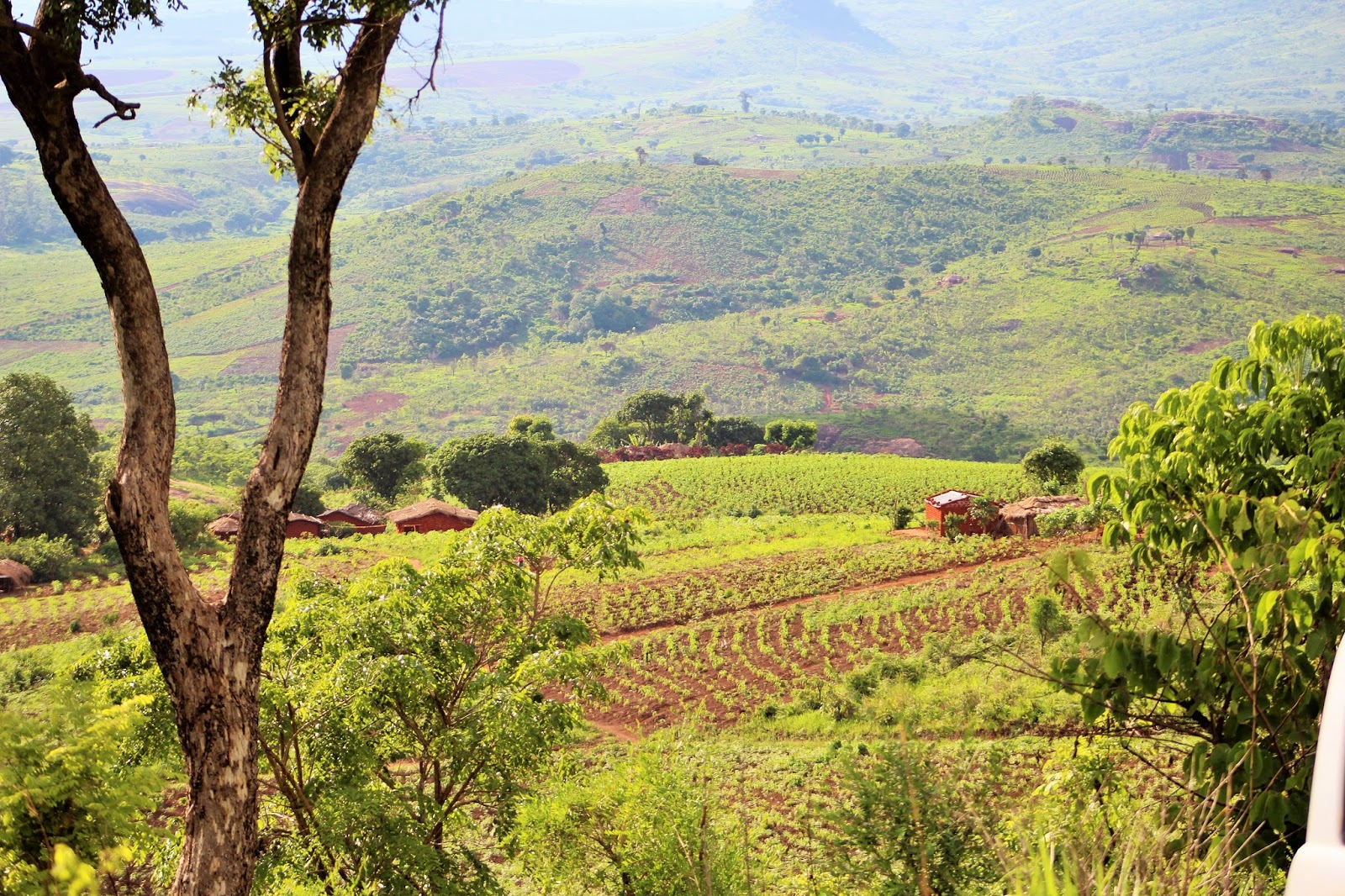
I was astonished on the different construct of the homes; square shaped, bricks (noting the beautiful terra-cotta color of the earth), with thatched roofs, dotting the mountainous countryside.
@bloggingabroad


TRANSPORTATION
Heading down to our next stop took an 8 hour chapa (van) ride. The dirt roads are narrow, and potholed.  If it wasn’t for the majestic scenery, I would have avoided the bumpy, crowded, hot, ride. Correction: it could not have been avoided – that’s the only mode and road to travel.


GURUE

Gurue is the most picturesque place that I have seen in Mozambique.  It is amid lush vegetation and tea plantations, and sits at the highest point of the country.  Mt. Nampuli was worth the climb to see the exquisite scenery.

y.


We were warmly hosted at a macadamia nut farm; the trees also charmed the mountainside. 


NORTHERN COAST
Mozambique Island
We then headed east toward the coast, hitting the city of Nampula and the port of Nacala, toward the fascinating Island of Mozambique. Mozambique Island (Ilha de Moçambique) is a small crescent‐shaped area that is a piece of history and a fascinating destination. It’s picturesque and a pleasant place to wander around.
History: In 1498 the Portuguese explorer Vasco da Gama landed in on this small island just off the continent. Two years later the Portuguese created commercial posts along with Arabs who were present since the 8th century. By 1752 Portugal claimed Mozambique as a colony and began slave trade from the island. Slavery was abolished in 1869. The island is now listed with UNESCO because of its significant architecture and cultural tradition.


PEMBA


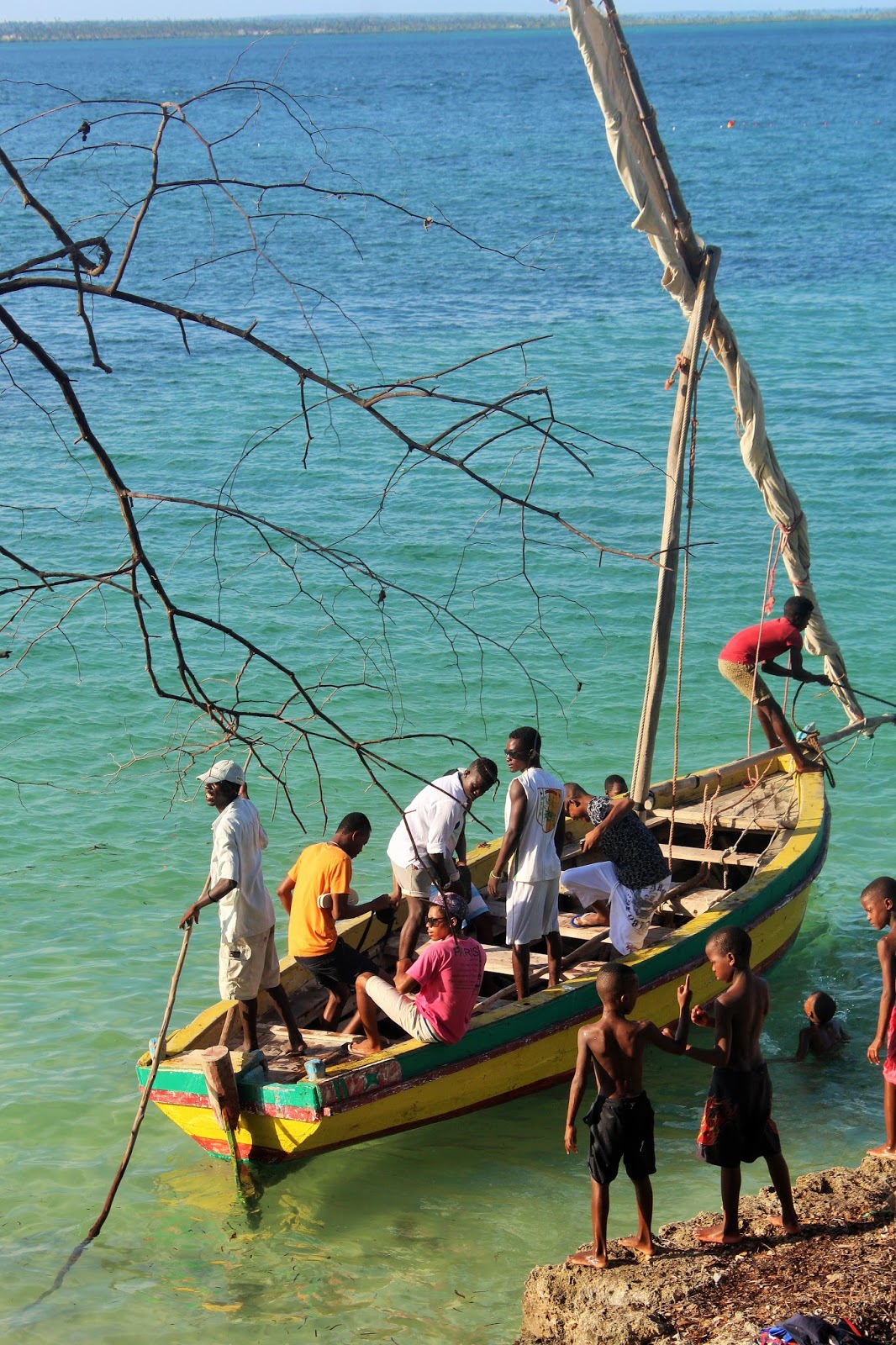
My last week was spent sitting and reading on the quiet beach town of Pemba, watching the fisherman.

The reed fences were lovely and look at the "modern" capolana with a facebook logo!


PEOPLE

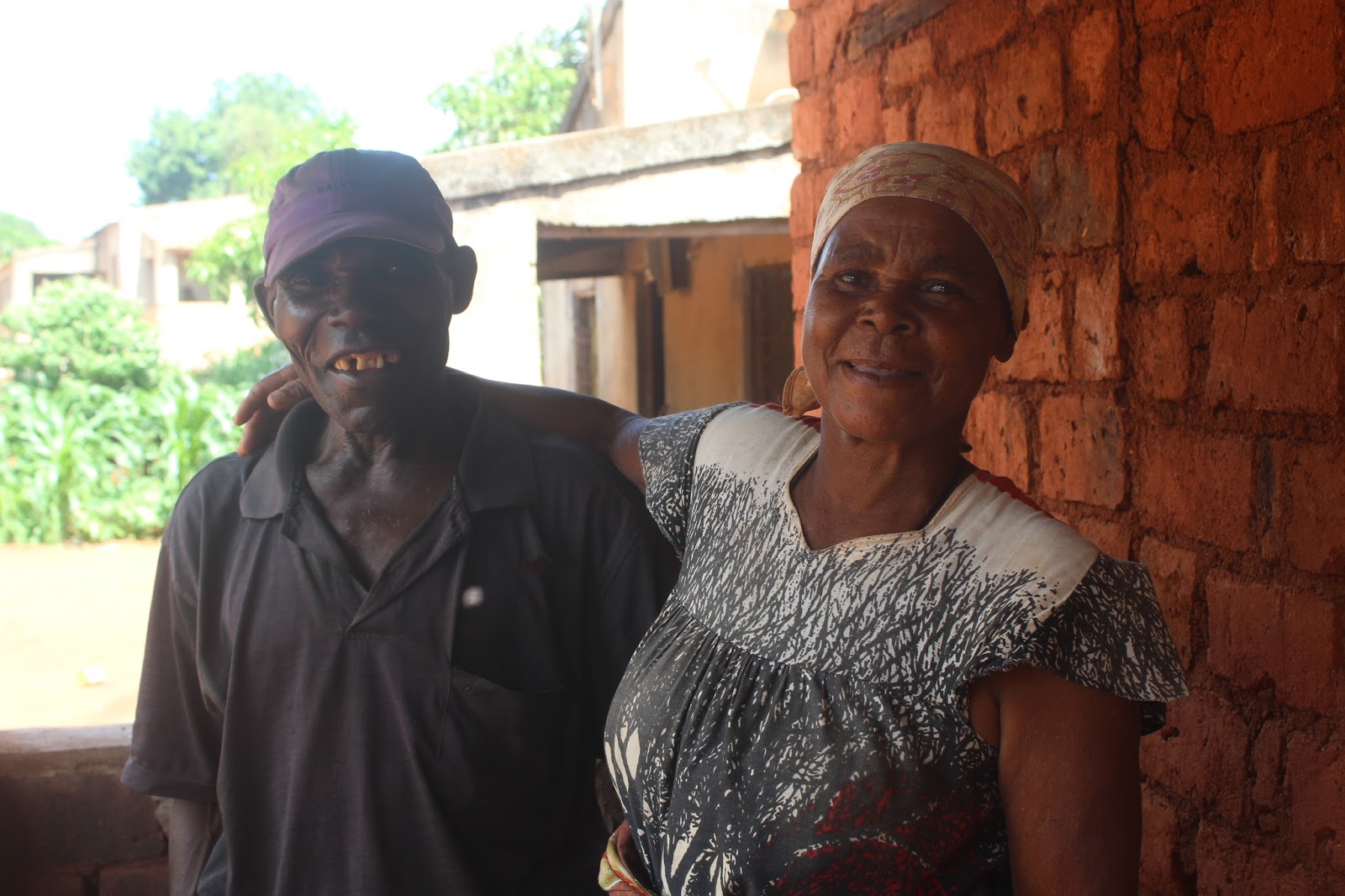
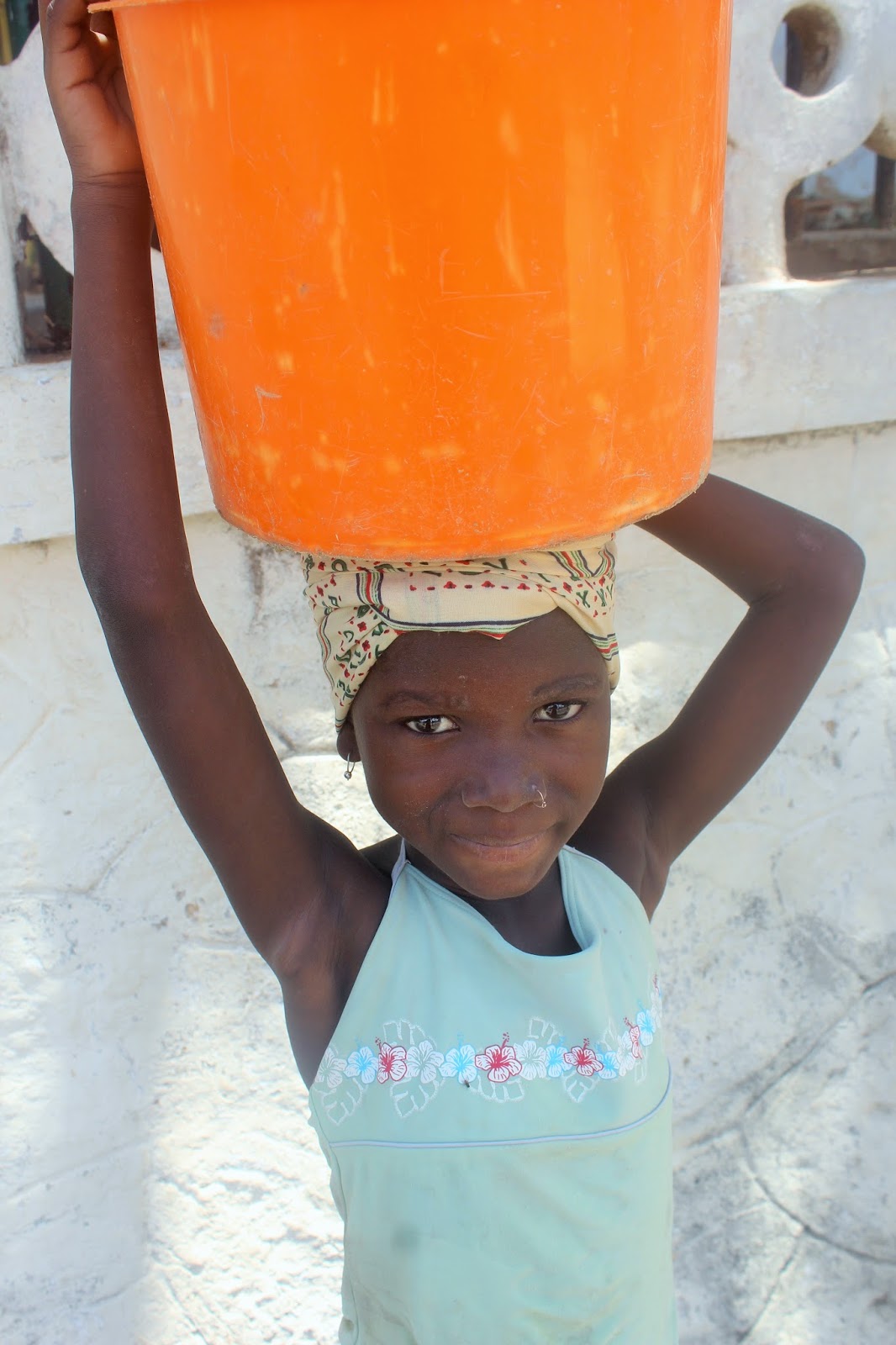
Note:  Friendliness is not exuded in the north as it is apparent in the south. I asked about it and culturally they are a bit more reserved, nonetheless I left with a deeper admiration of the strength and beauty Mozambicans have declared in my heart.


To Mozambique with love, Maryangela


@bloggingabroad